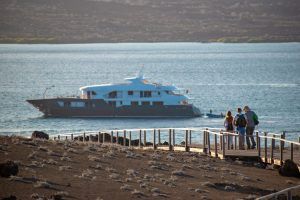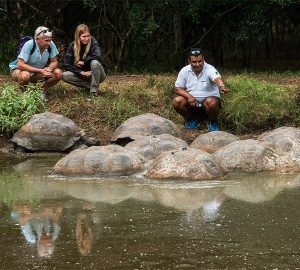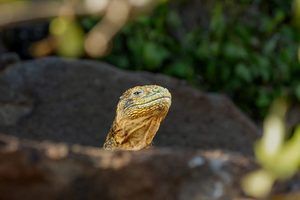
The Galapagos Islands is one of the rare places in the world where wildlife encounters possible all year round. You encounter giant Galapagos tortoises roaming the highlands, sea lions resting and playing around the shore, marine iguanas sunbathing, and emblematic blue-footed boobies diving along the coast.
So, is there really the best time best time to visit the Galapagos Islands? Not, actually.
Because the main objective of a trip to the Galapagos is wildlife encounters, and you have it all year round. But if you wish to see a specific species, it may depend on a particular season. Also the weather varies from season to season. Before your trip you need to clearly understand what your preferences are.
There are 2 seasons in the Galapagos, let’s understand what their differences are. Each season offers a slightly different experience. This is an important information before you chose the right itinerary for you adventure.
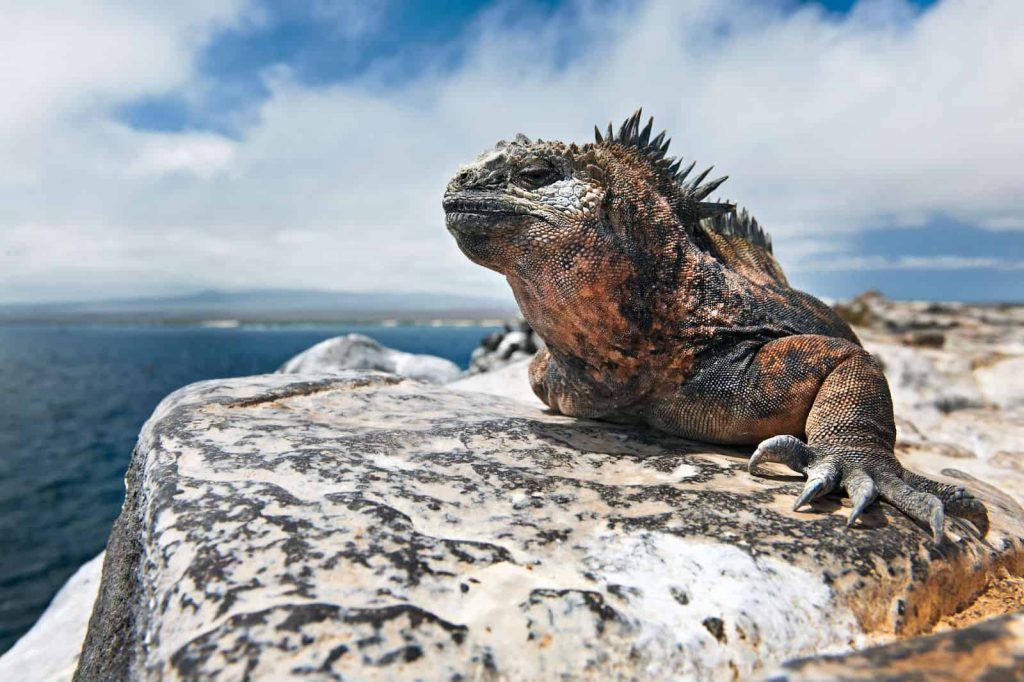
Galapagos Wildlife by each season:
December to May: the warm and green season
From December through May, the Galapagos Islands experience warmer temperatures and more precipitation. However, the rain showers are rare, rains are often short, and sunny periods are common during the day.
Thanks to the wet season, the archipelago becomes greener, especially in the highlands.
Of course, for travelers who enjoy swimming and snorkeling this particular season is more attractive because the waters are warmer, what makes time in the water more comfortable.
These are some wildlife highlights
During these months, you may encounter:
- Sea lions
- Marine iguanas
- Giant tortoises
- Blue-footed boobies
- Frigate birds
- Sea turtles
- Penguins
- Various shorebirds and seabirds
This season is also interesting for tourists as you may observe courtship and nesting behaviors among several species.
If you like photography, this mix of wildlife encounters and brighter and greener landscapes can create excellent conditions for a great picture.
June to November: the cool and dry season
From June through November, the Galapagos Islands are strongly influenced by the famous Humboldt Current, which brings cold, but nutrient-rich water from the south. This results in one of the most productive marine ecosystems on Earth.
Temperatures are cooler, skies can be more clouded, and the sea can be a little bit rougher in some areas. But if you’re a diver or a frequent snorkel then this season is the best time to enjoy the underwater life.
The nutrient-rich waters feed large populations of fish, which attracts seabirds, sea lions, penguins and other marine inhabitants.
These are some wildlife highlights
This season can offer excellent opportunities to see (Depending on your itinerary):
- Galapagos penguins
- Sea lions
- Marine iguanas feeding in the sea
- Seabirds
- Frigate birds
- Blue-footed boobies
- Whales and dolphins (subject to location and conditions)
This season is also very interesting as you have an opportunity to understand better the Galapagos ecosystem and its ocean currents.
Of course, if you wish to encounter a specific species, your choice of travel dates may become more important. These are the species you see all year-round: giant tortoises, sea lions, marine iguanas, Galapagos penguins (with some seasonal variations), blue-footed boobies. But as for the Waved Albatrosses you only see them from April to December.
At Ecuador Wonders, we believe that planning a Galapagos trip should start with your interests first, not simply with a calendar date.
Here you can choose whether a Galapagos cruise or an Island hopping program.